June 9, 2026
Local tree removal services play a vital role in maintaining the safety and aesthetics of our environments. For homeowners and property managers, understanding these services is key to preserving property value and ensuring safety. Trees can become hazards if they are diseased or poorly placed, potentially causing damage to structures or landscapes. The need for tree removal services also encompasses environmental balance and disease mitigation, making informed decision-making crucial. This article provides a comprehensive look at the critical aspects of tree removal services, equipping you with the knowledge to make informed choices.
Understanding Professional Tree Removal Services
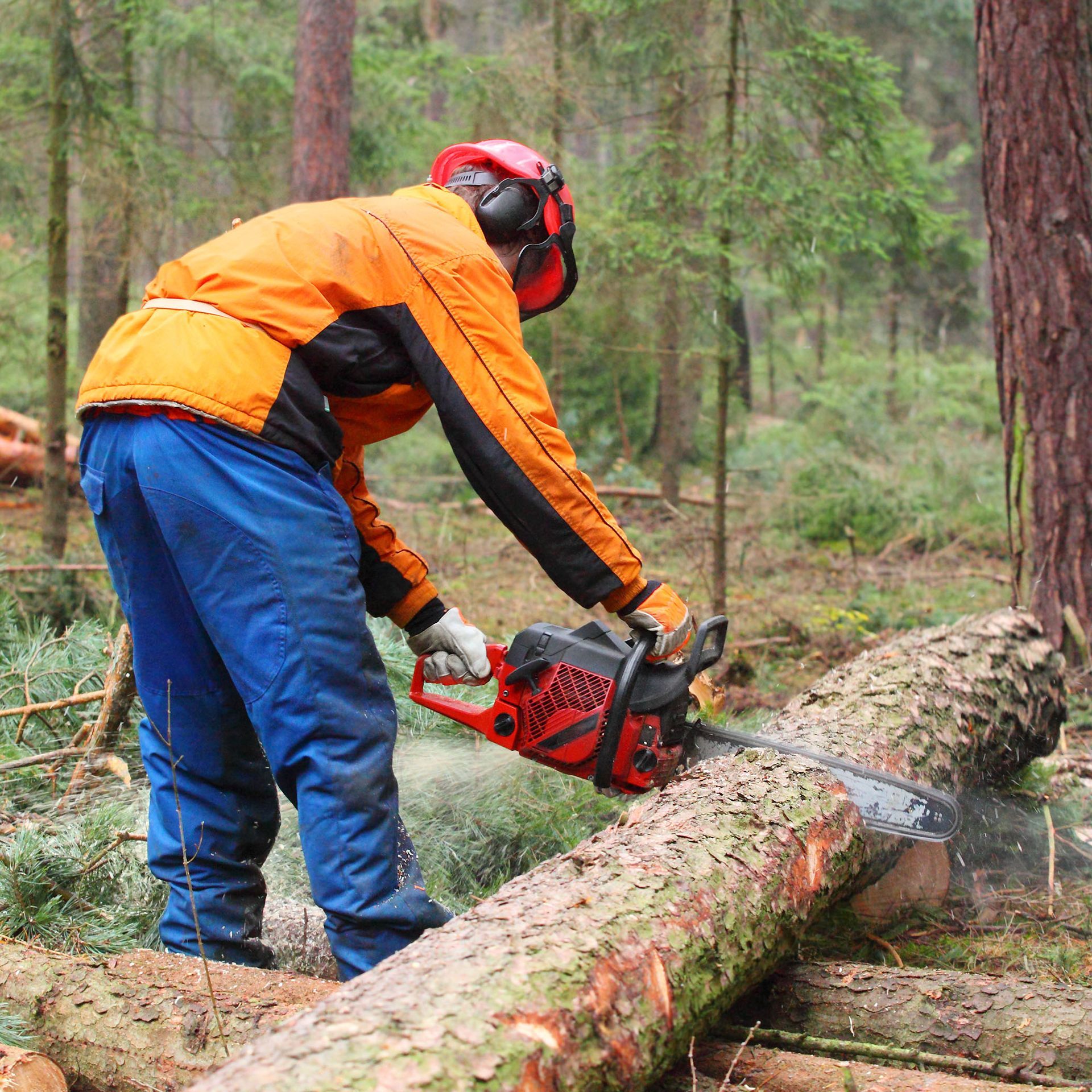
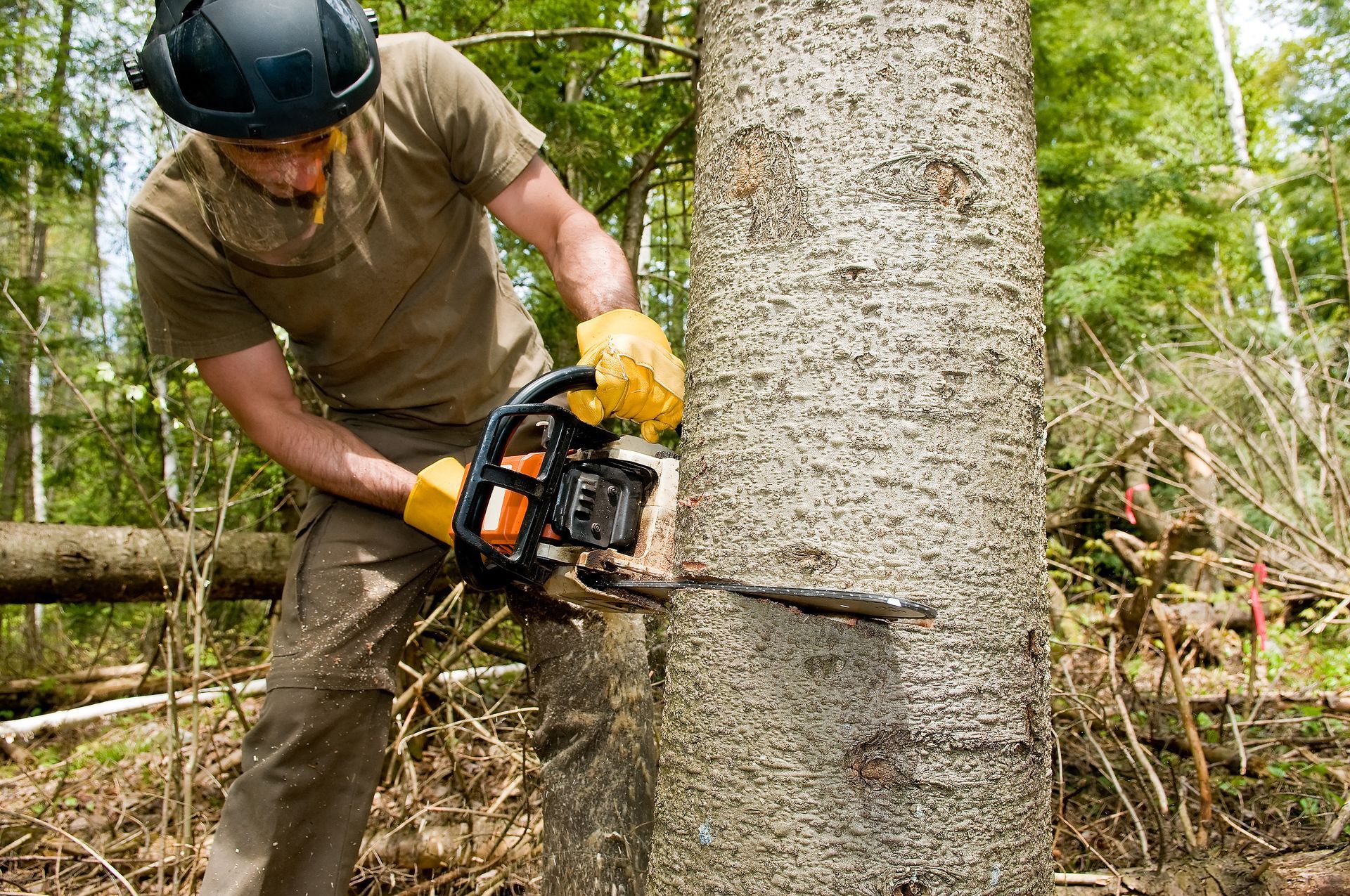
Tree removal services encompass the processes and techniques involved in safely eliminating trees from a location. These services include everything from cutting and removing the tree to managing its impact on the surrounding environment. Standard methods include felling, which involves cutting the tree at its base, and dismantling, which is a controlled removal process. The choice of technique factors in safety, efficiency, and environmental considerations, as professionals determine the best approach based on the tree's location, size, and health condition.
There are several reasons why tree removal might be necessary, ranging from disease and decay to construction and safety concerns. Diseased trees can spread illness to other plants, while severely damaged trees may pose safety hazards during storms. Trees that interfere with structures or utility lines often need removal to prevent damage or service disruption. Evaluating these reasons helps determine whether utilizing local tree removal services is the best course of action for your specific situation.
Tree removal is often subject to local regulations and environmental considerations that professionals must adhere to. Regulations may include obtaining specific permits and ensuring that the tree removal does not adversely affect the local ecosystem. Furthermore, some areas have preservation laws to protect certain tree species considered vital to the locale. Understanding and complying with these regulations ensures that the removal process is legally conducted and environmentally responsible.
Assessing Risks and Environmental Impacts
Various signs indicate when a tree might require removal, ranging from physical damage to structural instability. A damaged tree with leaning trunks or split branches poses safety risks, necessitating immediate attention. Signs of disease, such as discolored leaves or fungal growth, can also warrant removal to prevent spreading. Overgrowing trees interfering with power lines or structures are additional indicators that you may need to call local tree removal services for professional assistance.
Elevated risk factors are critical in deciding on tree removal, as unsafe trees can potentially damage property and threaten personal safety. An assessment must address both the physical condition of the tree and its placement in relation to buildings, power lines, and pedestrian areas. Safety precautions during removal also include using appropriate equipment and skilled personnel to prevent accidents. Professional tree services are trained to conduct these assessments effectively, ensuring comprehensive safety measures are in place.
Arborists provide invaluable insights for homeowners contemplating tree removal, offering expert advice rooted in biology and ecology. Their consultations involve assessing the tree's health, potential risks, and the environmental impact of its removal. Arborists can offer alternative solutions, such as pruning or disease treatment, that may avert the need for complete removal. Engaging an arborist early in the process leads to well-informed decisions and optimal outcomes.
Choosing Reputable Local Companies
Finding reputable local tree removal services involves identifying key qualities such as experience, reliability, and professionalism. Experienced providers possess the necessary skills to handle complex removal jobs safely and efficiently. Reliability encompasses punctuality in scheduling and clear communication throughout the project. Additionally, professionalism is reflected in a company's adherence to safety standards and customer satisfaction levels.
Before hiring a tree removal service, it is crucial to verify their licenses and certifications, which indicate a level of professionalism and expertise. Licensed companies are more likely to comply with local regulations, reducing the risk of legal issues. Certifications from reputable organizations demonstrate a commitment to industry standards and continuous education. Ensure the company holds valid insurance policies to cover potential damages or accidents.
Securing multiple quotes from different service providers is crucial for making an informed decision based on cost and value. Comparing quotes gives insight into industry standards and ensures you get a fair price. Evaluate what each quote covers, as cheaper services may skip essential components, leading to added costs later. Consider the overall quality of the service against your budget constraints to make a cost-effective decision without compromising on safety.
Executing Safe Cutting and Disposal Methods
The tree removal process begins with a thorough assessment and planning to determine the best approach. Professionals evaluate the tree's size, condition, and placement within the property to develop a tailored removal strategy. They also identify potential risks and the impact on surrounding areas to ensure safety and minimize disruptions. Securing permits is a pivotal step in this process, ensuring compliance with local regulations and avoiding legal issues.
Executing the proper removal techniques is crucial, with professionals employing various methods based on environmental conditions and the tree's specific characteristics. According to LawnStarter, tree removal professionals generally define trees under 25 feet as small and those exceeding 100 feet as extreme. Techniques may involve felling, dismantling, or using specialized equipment like cranes for large trees. A skilled team ensures the process is executed with precision, prioritizing both efficiency and safety.
Once the tree is successfully removed, proper cleanup and disposal of debris are integral to concluding the process. Professionals ensure the site is cleared of branches, leaves, and sawdust, restoring the area to its pre-removal condition. Disposal involves recycling or repurposing the wood, as well as considering eco-friendly options for waste management. A thorough cleanup concludes the service, leaving the property safe and aesthetically pleasing.
Restoring Landscapes After Tree Removal
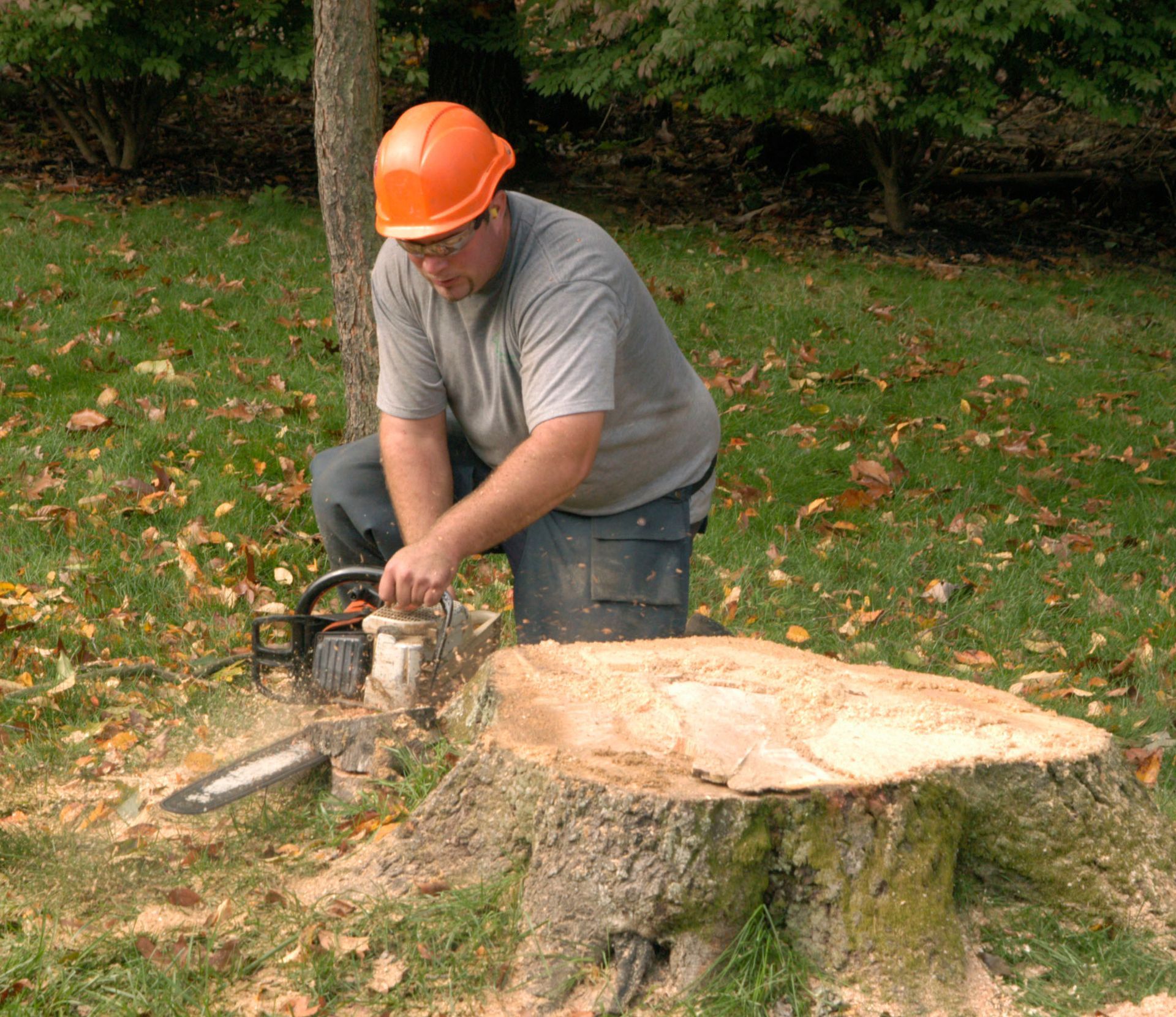
Stump removal and grinding are critical steps following tree removal, promoting safety and aesthetic appeal. Unattended stumps pose trip hazards and attract pests, necessitating their removal. Stump grinding is an effective technique, efficiently breaking the stump down to below-ground level. The process often involves using specialized equipment to ensure thorough and safe removal, allowing property owners to maximize their available yard space.
Maintaining soil health and restoring fertility is important after tree removal to encourage future plant growth. Trees affect soil composition, and removal can disrupt nutrients and soil structure. Amending the soil with fertilizers and organic materials can replenish lost nutrients and improve soil quality. Aeration and proper drainage systems further promote healthy soil conditions, ensuring the ground is ready for future landscape installations.
Planting new trees and shrubs after removal enhances property aesthetics and contributes to environmental sustainability. Choosing native species that match local climate conditions and space constraints is crucial for successful planting. Ongoing monitoring for pests and diseases helps preserve the health of existing and newly planted trees. This proactive care protects the landscape, ensuring its long-term vitality, beauty, and overall structural safety.
Understanding the intricacies of local tree removal services empowers homeowners and property managers to make informed, environmentally responsible decisions. Navigating this multifaceted process, from recognizing the need for removal to selecting a reputable provider and executing aftercare, ensures effective management of landscapes. With the help of professional guidance, homeowners can balance ecological preservation with safety and property development needs. By emphasizing thoughtful, informed action, we can protect our properties while fostering healthy, sustainable landscapes. For more information about the services that we offer, reach out to our incredible team at Darden Tree & Landscaping LLC today!